Practical Course on High-Performance Computing (2026)
Learn the foundations of high-performance computing: the scientific method, simulation, distributed systems, parallel architectures and programming. Start with the complete English Welcome lesson.
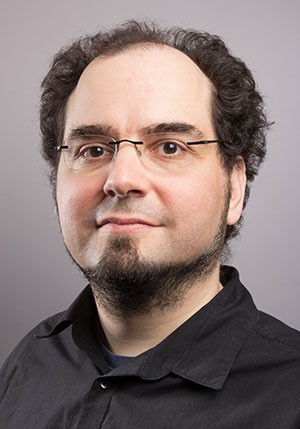 InstructorProf. Dr. Julian Kunkel
- Course code
- PCHPC 2026
- Last updated
- Instructor
- Prof. Dr. Julian Kunkel
Course overview
Course content
Introductory day — 1 April 2026
Course materials
Materials are being prepared.
Published notes, exercises and documents will appear here.
Your course study assistant
Ask a question about this course, explore its materials or practise with a study question. Answers use the approved knowledge selected for this course.
Sign in with your student account. Your lecturer sets a limited daily and total question allowance shared across your courses.
Instructor
Prof. Dr. Julian Kunkel
Professor of High-Performance Computing · University of Göttingen · GWDG
Julian Kunkel is a professor at the University of Göttingen and Deputy Head of GWDG. His research and teaching cover high-performance computing, parallel I/O, performance analysis, and the development of scientific software.
About the instructor →